
Recovery therapy with medical exoskeletons
The concern to create devices that can re-educate or replace the walking function for patients with total or partial dysfunction of the inferior locomotive has been in existence since the late 1960s when the first exoskeleton was created to assist walking.
Nowadays, with the advancement of techniques, walking devices have become more and more powerful in terms of weight, battery autonomy and fidelity of movements, moves that are closer to the natural ones.
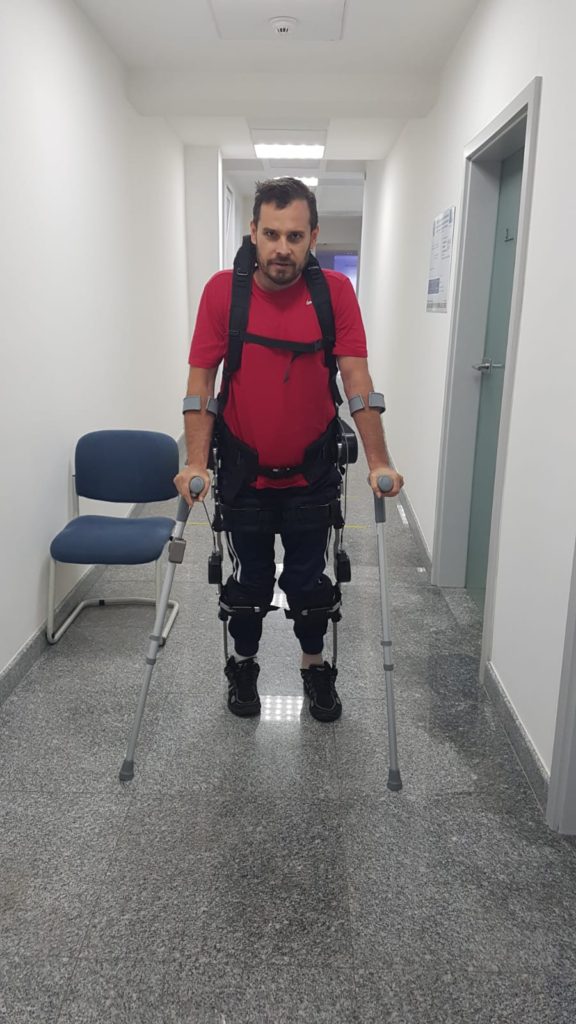
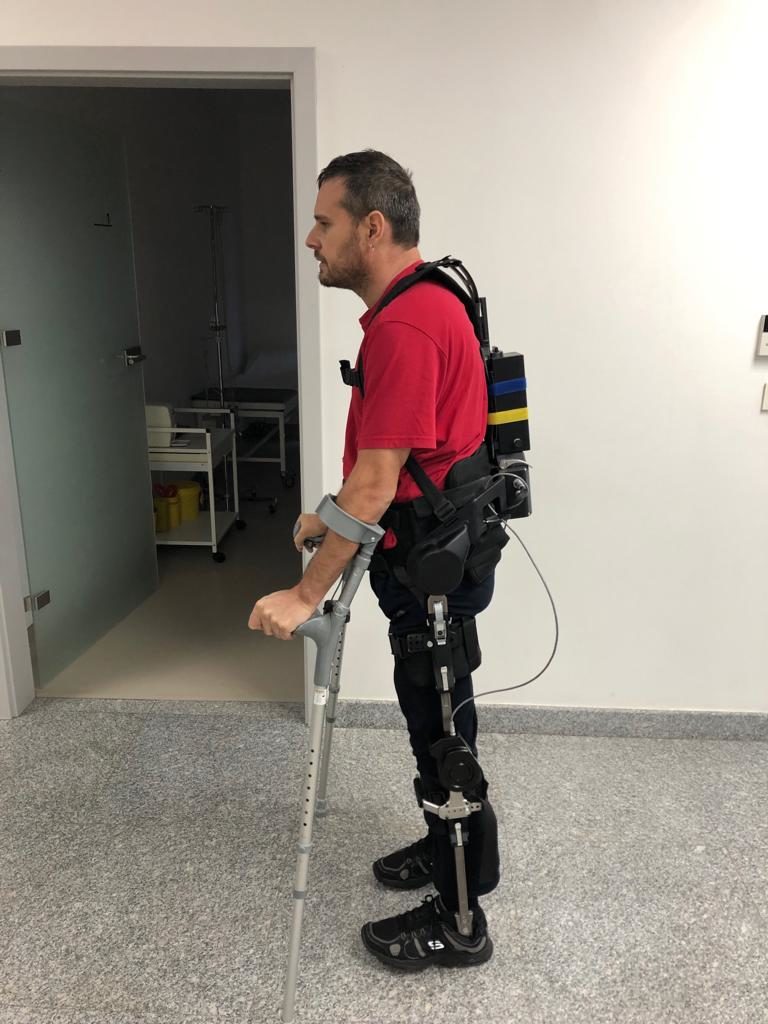
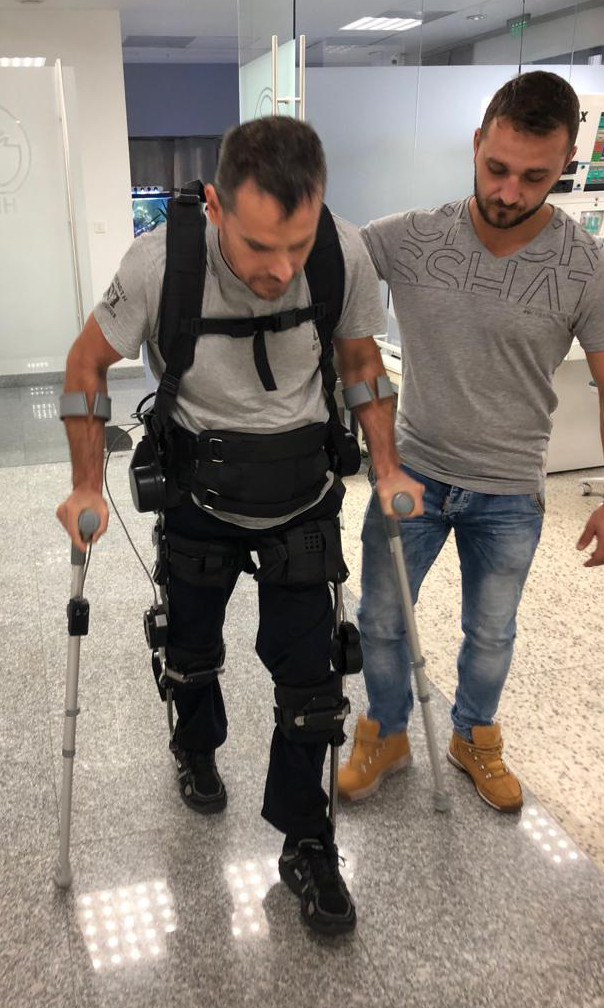
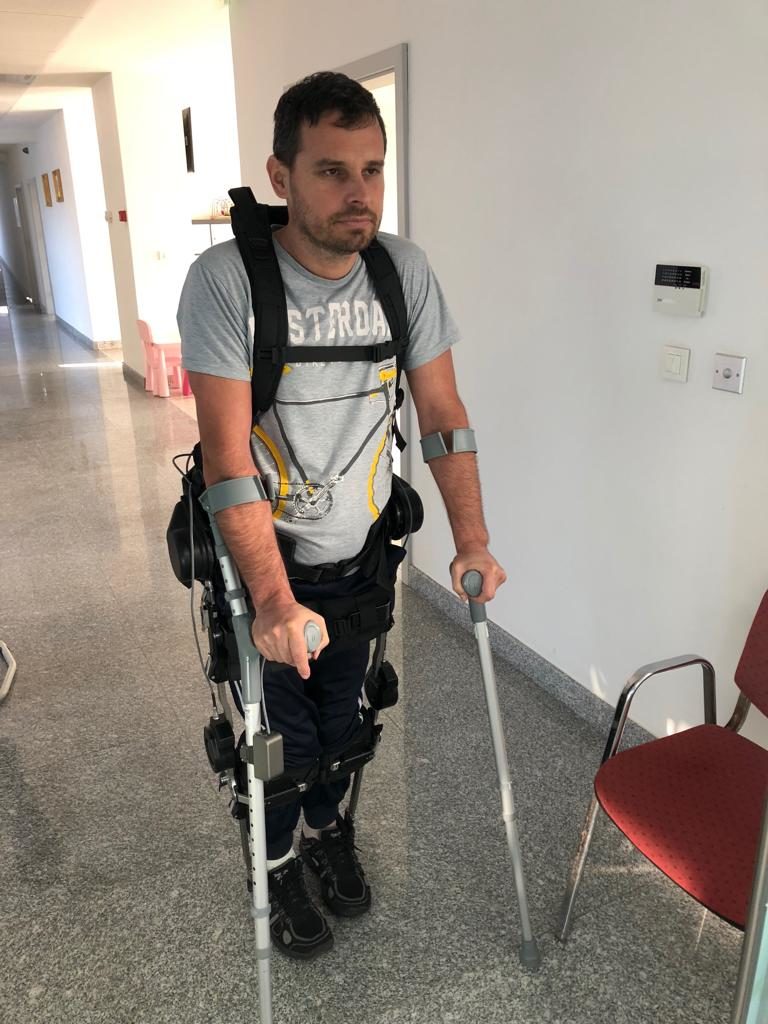
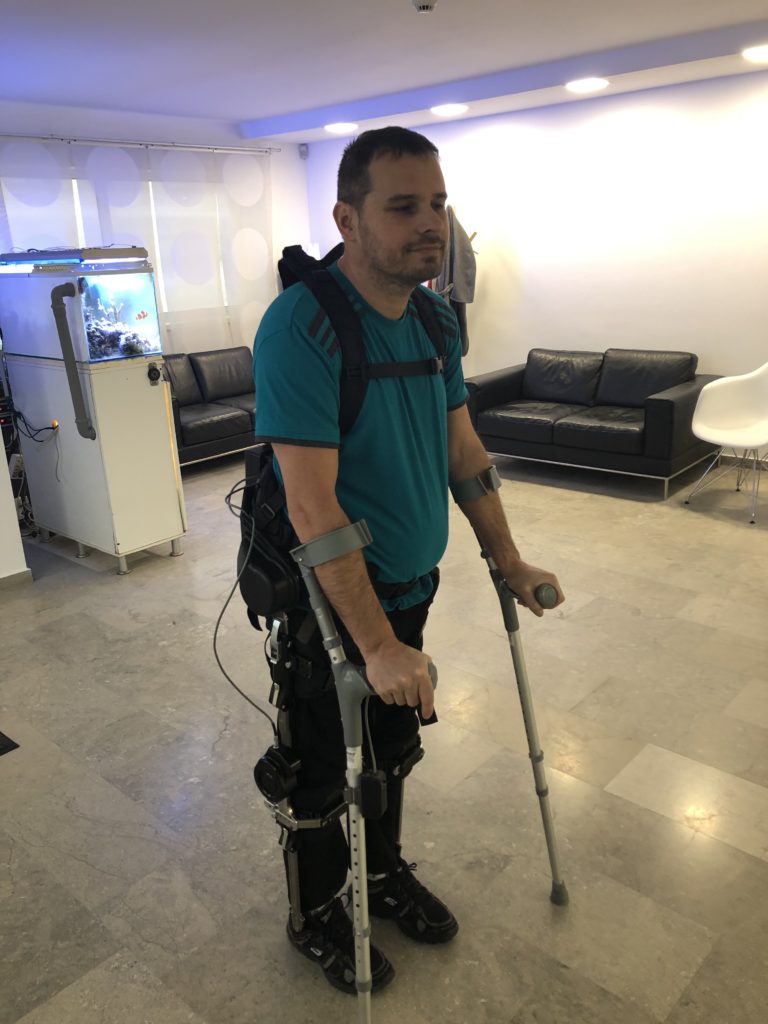
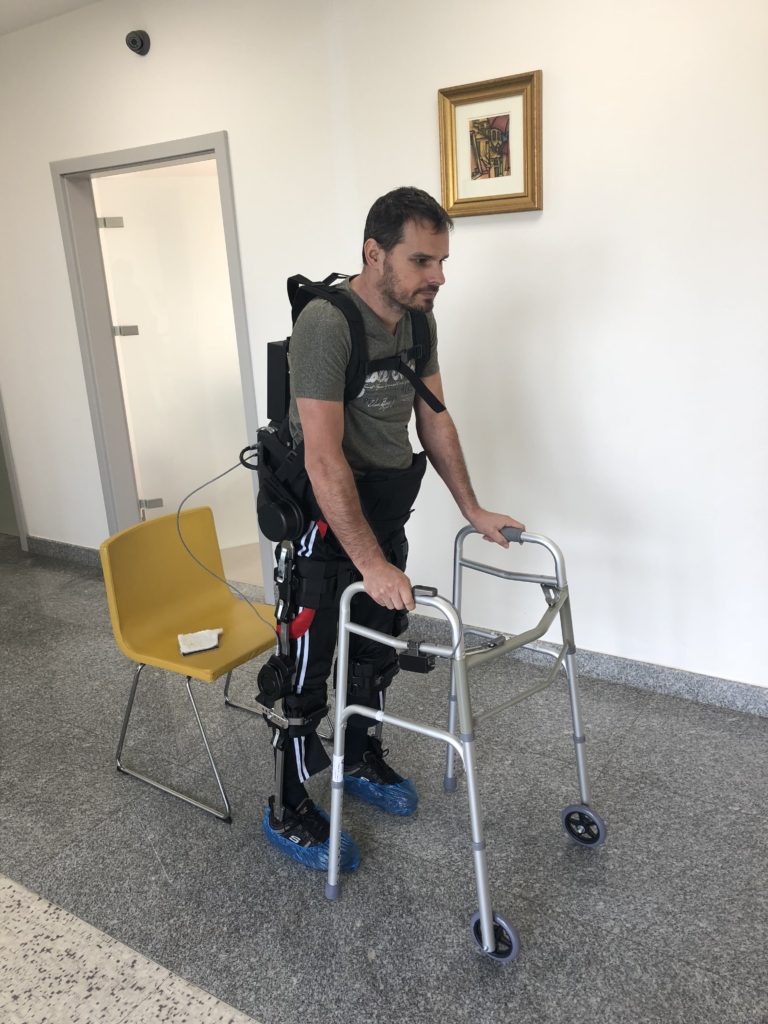
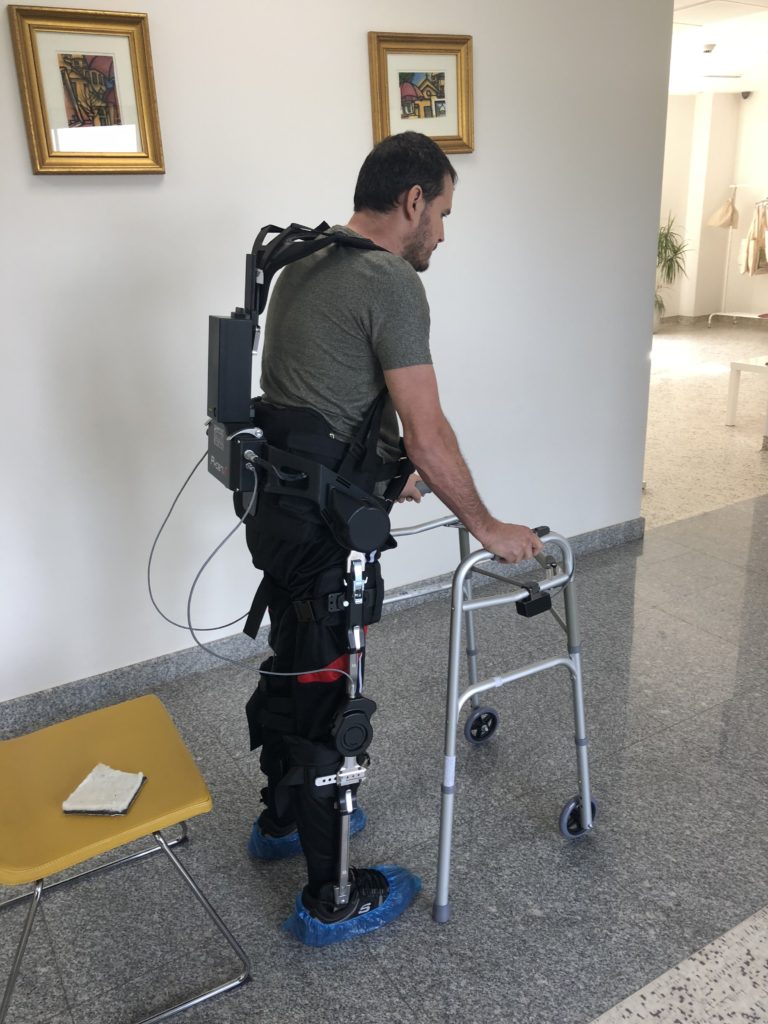
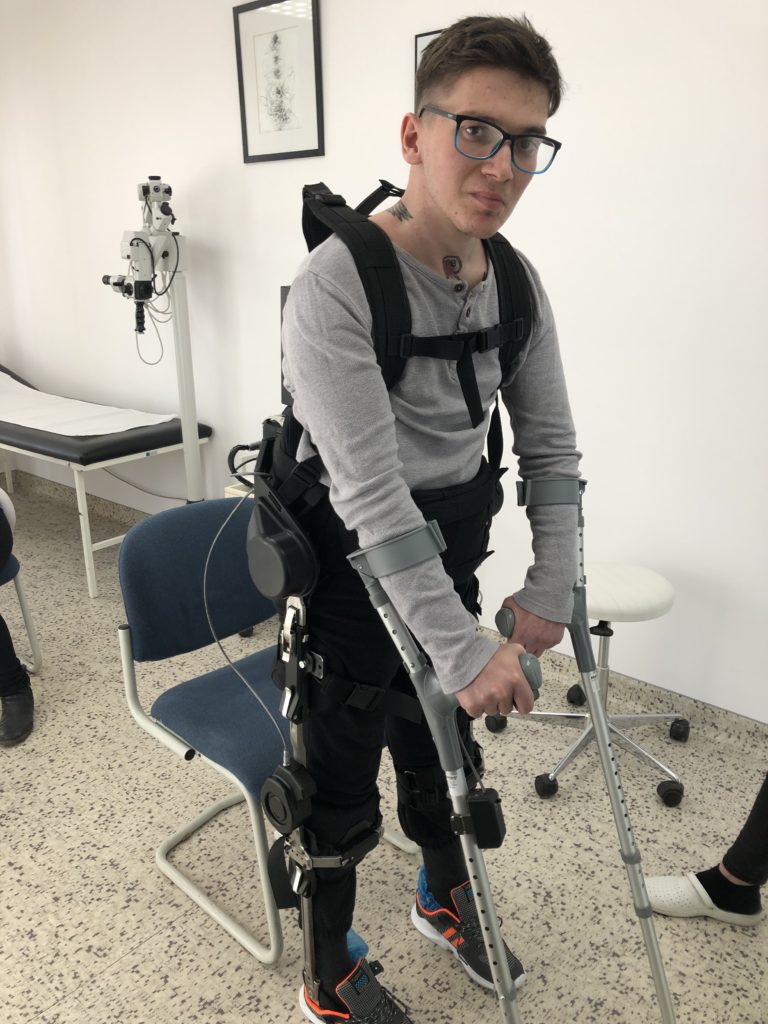
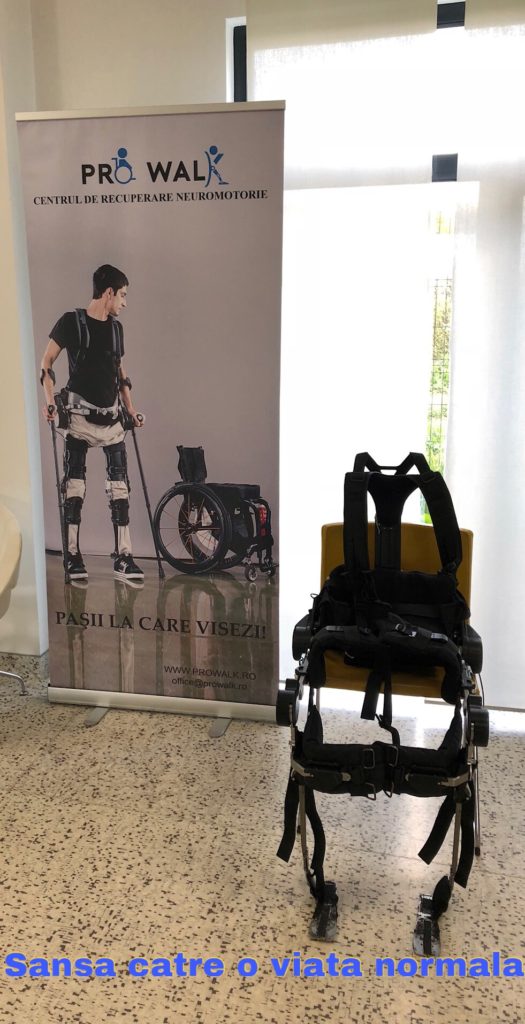
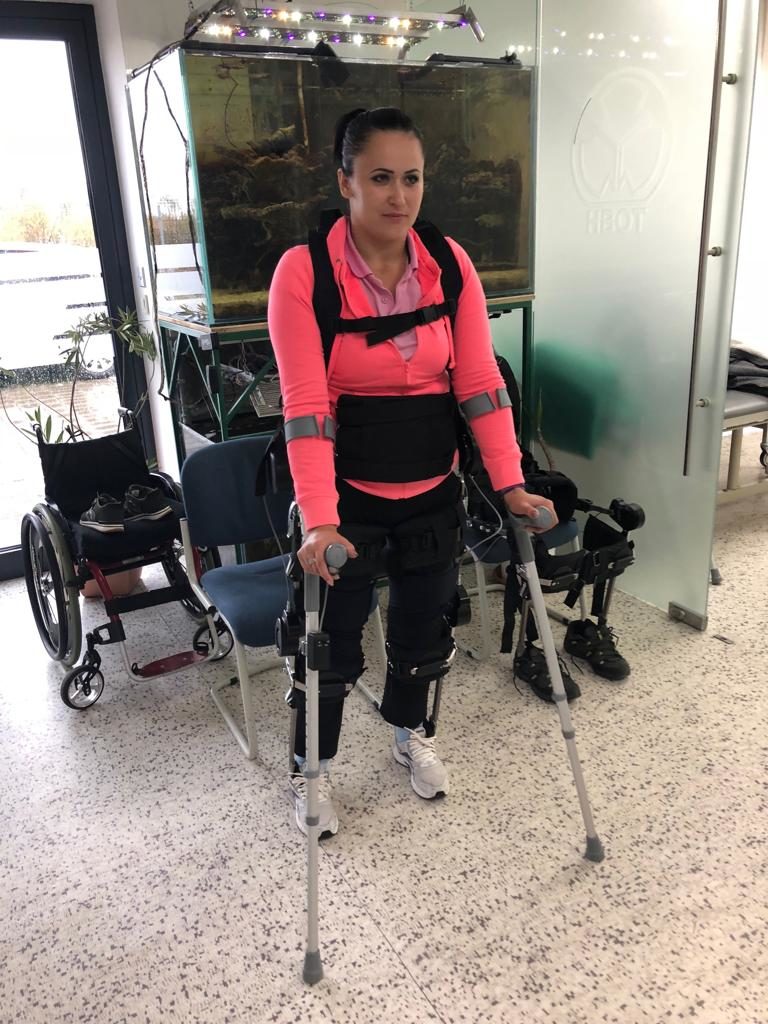
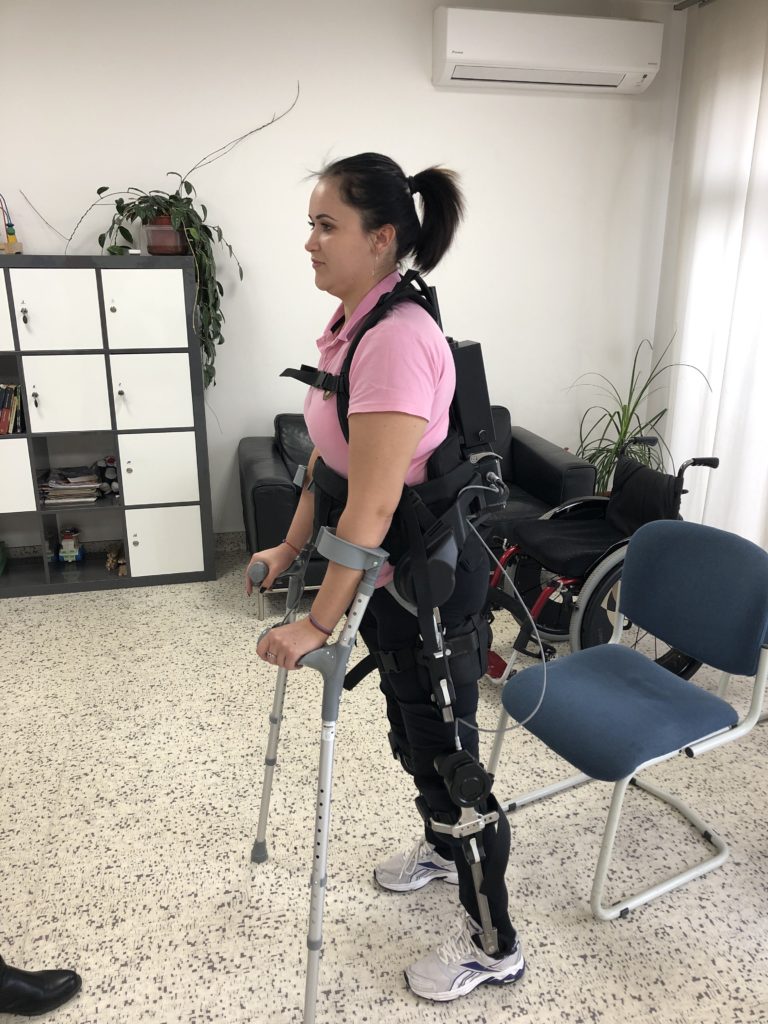
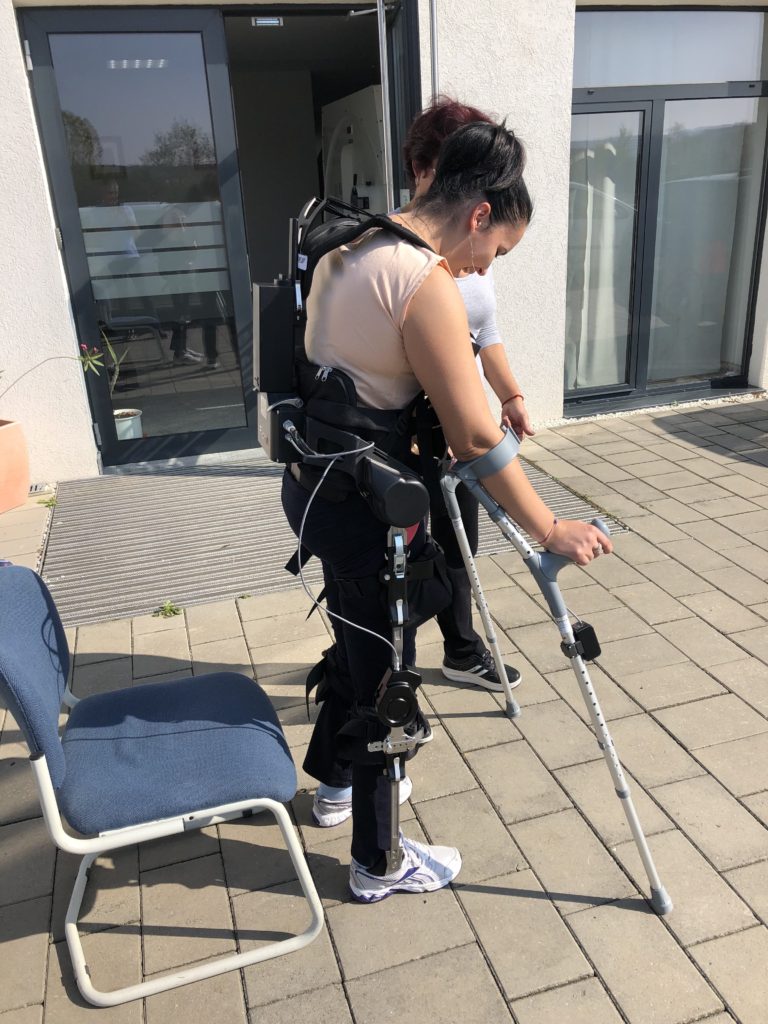
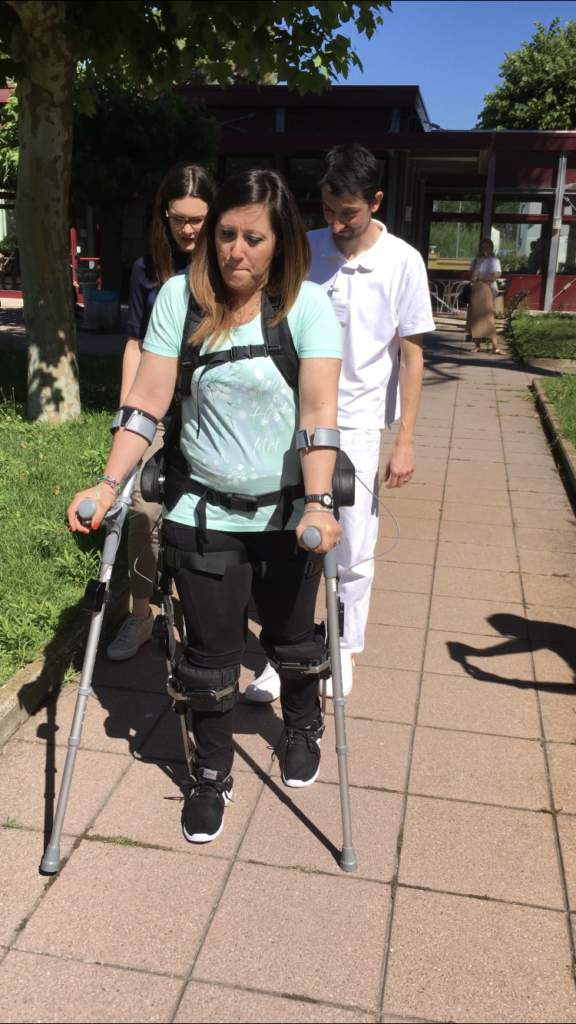
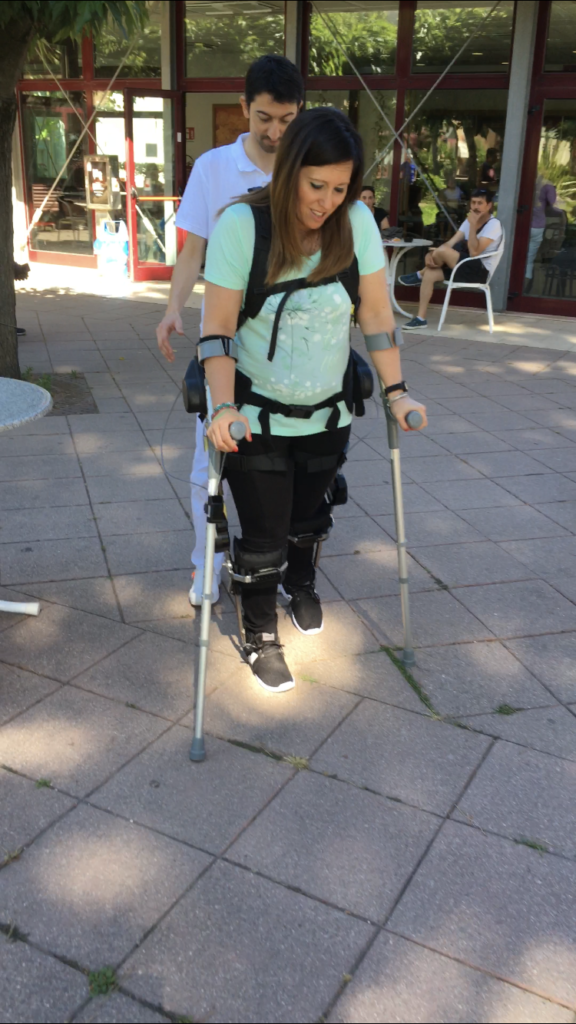
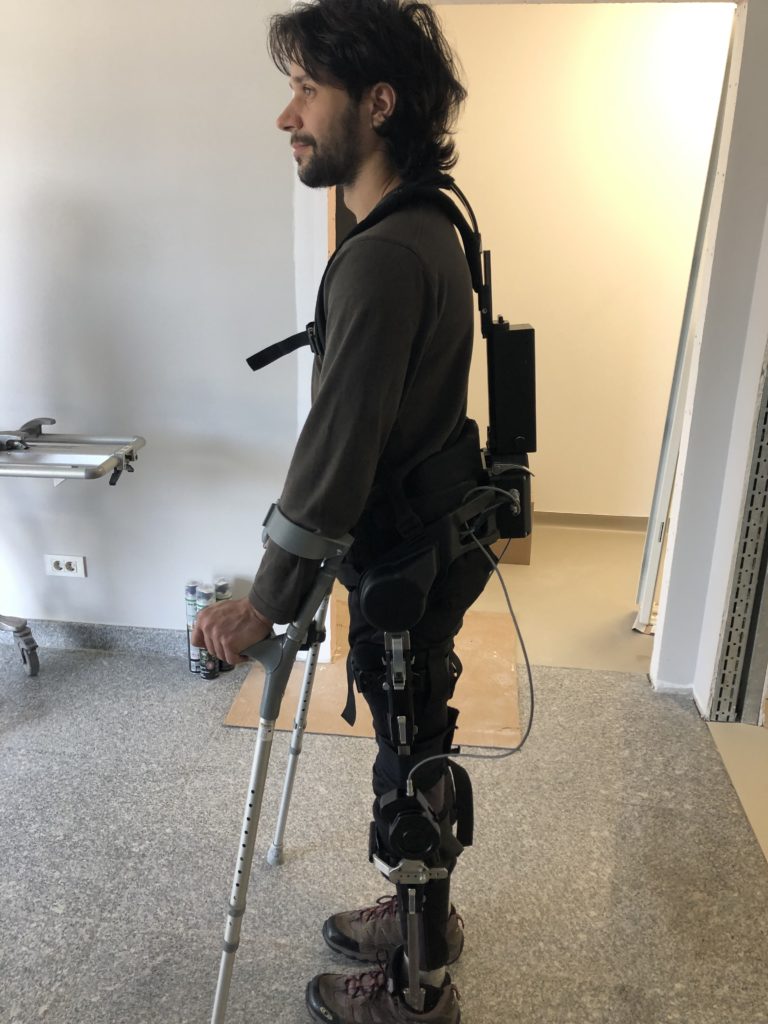
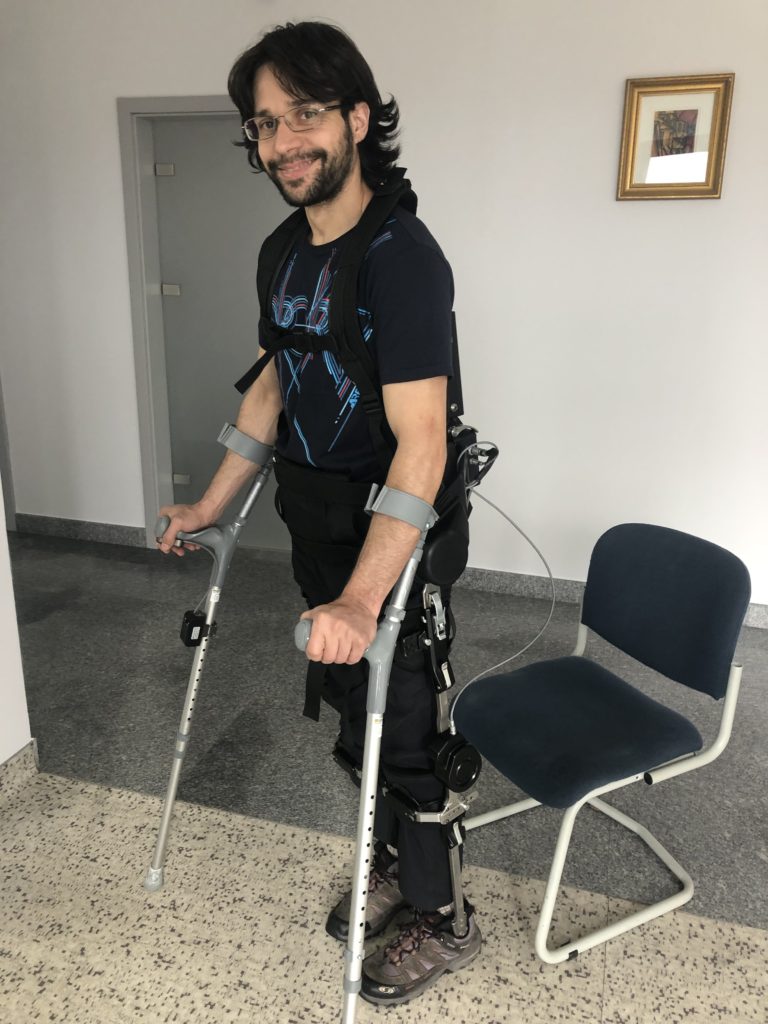
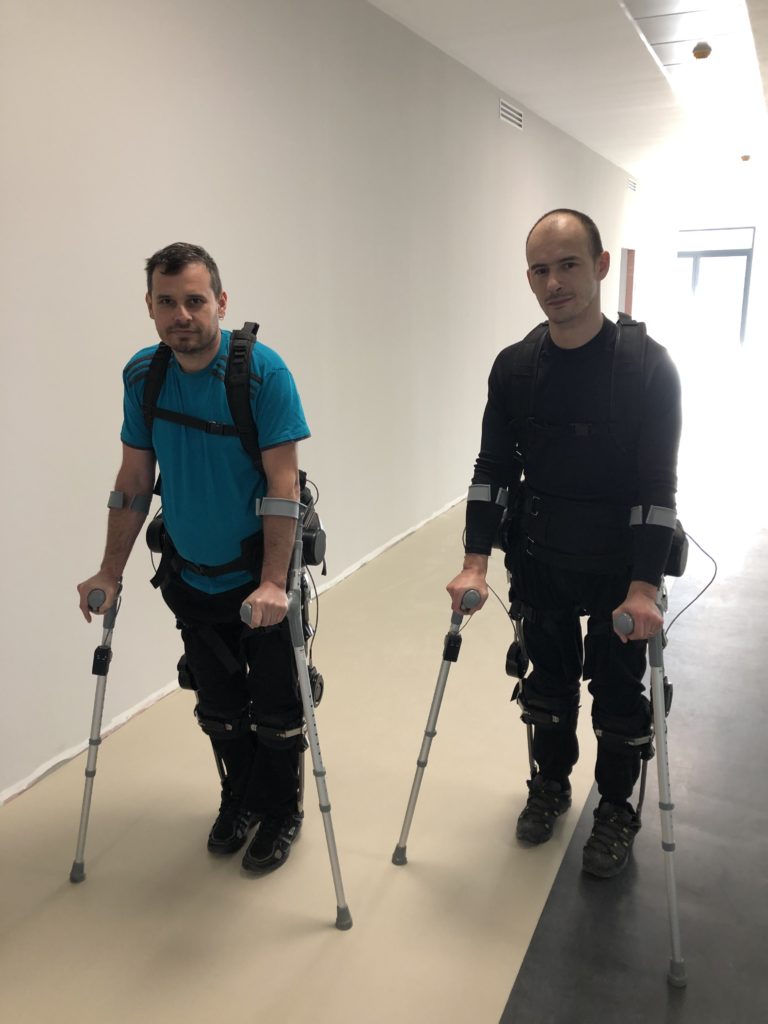
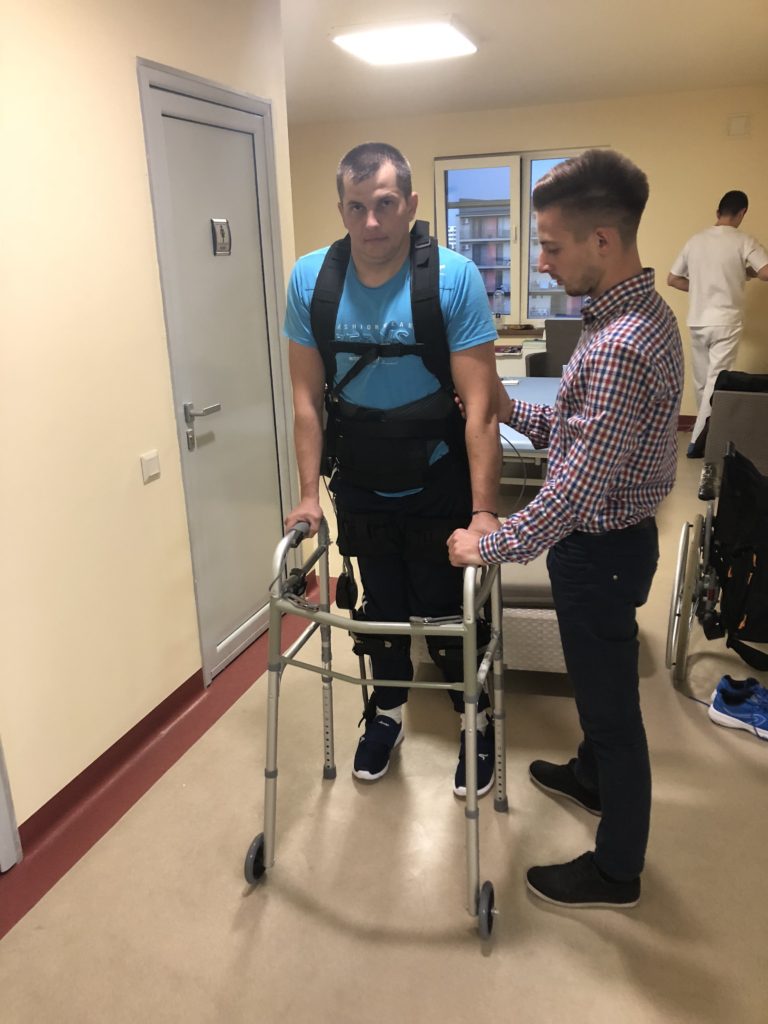
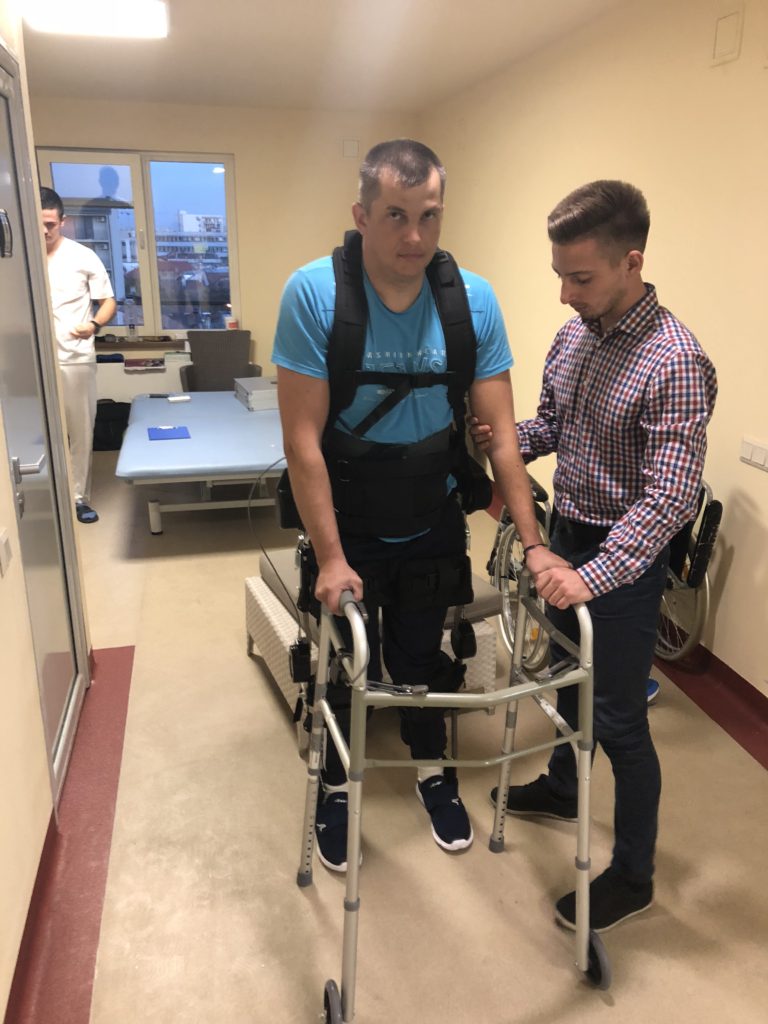
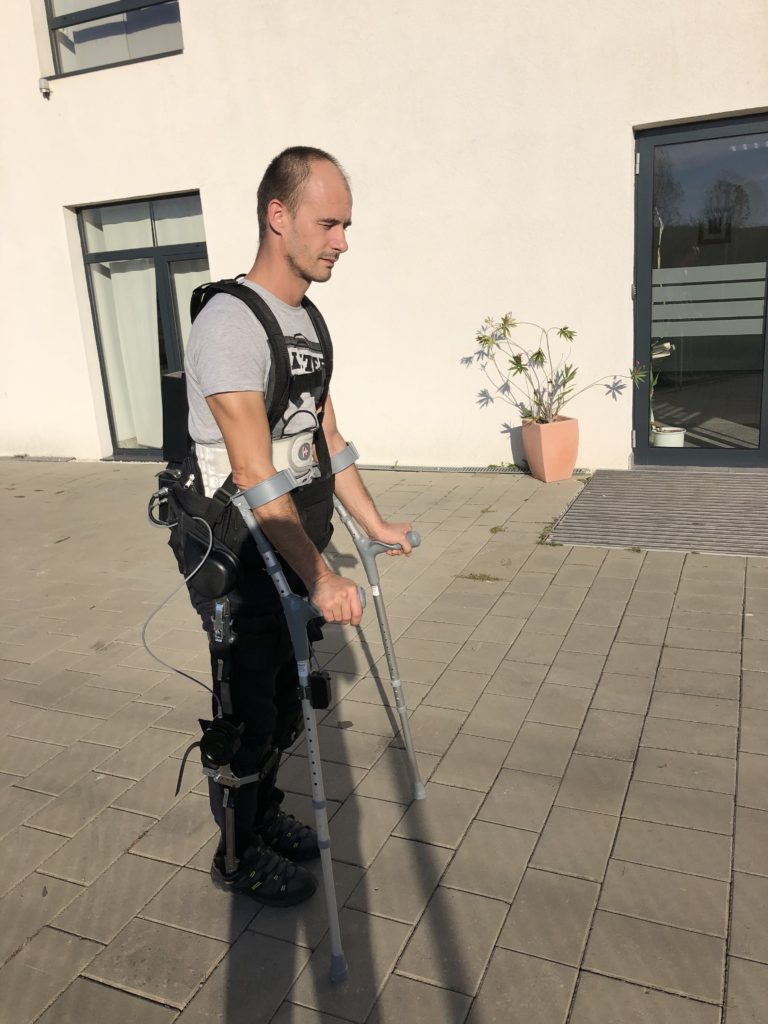
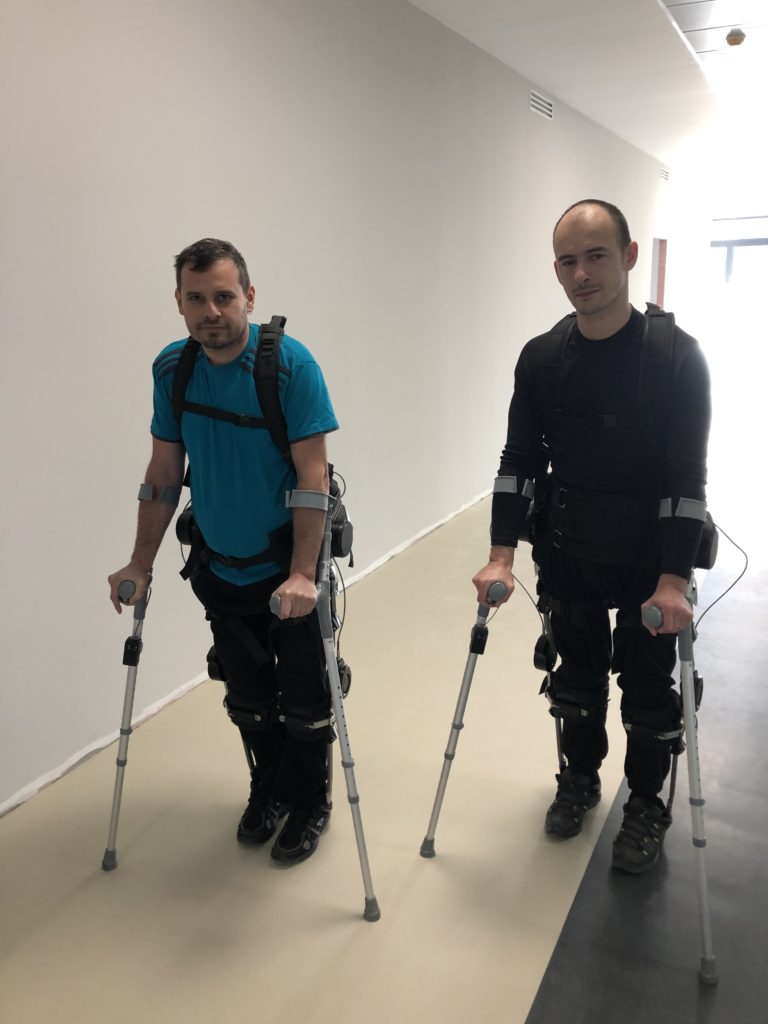
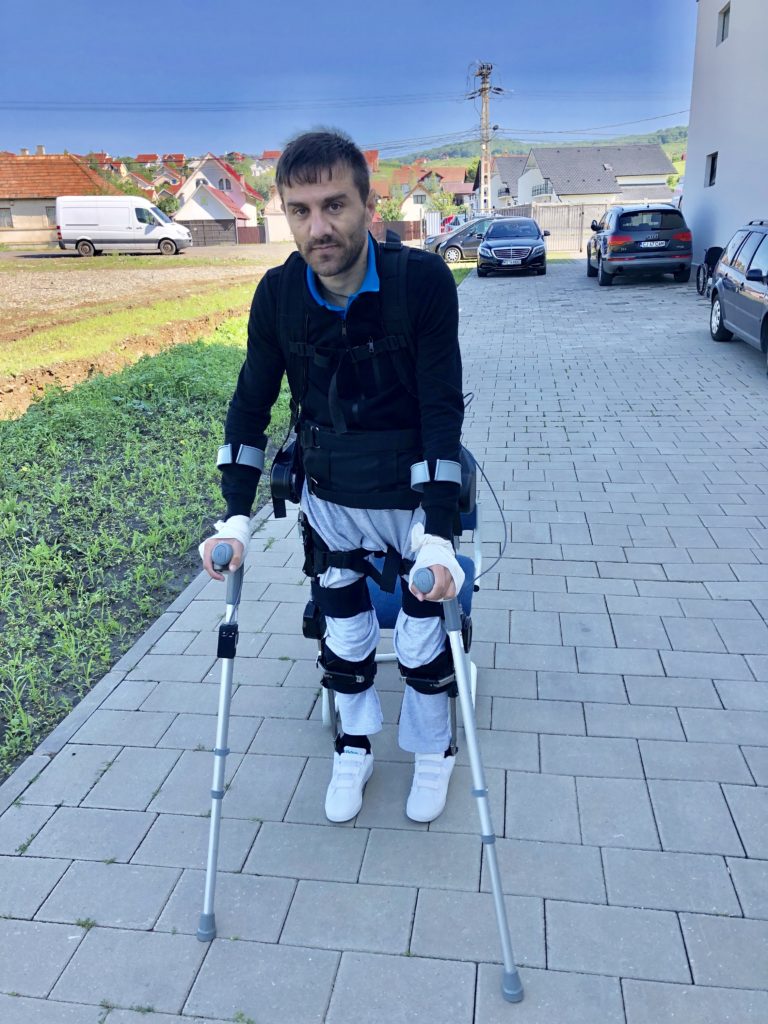
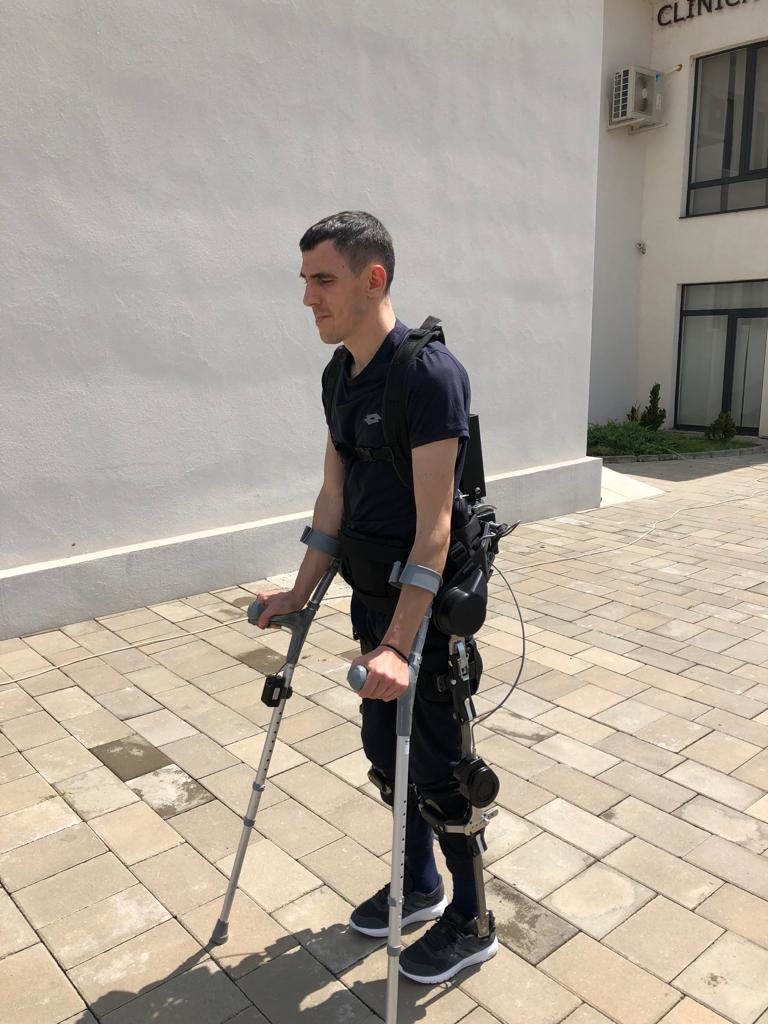
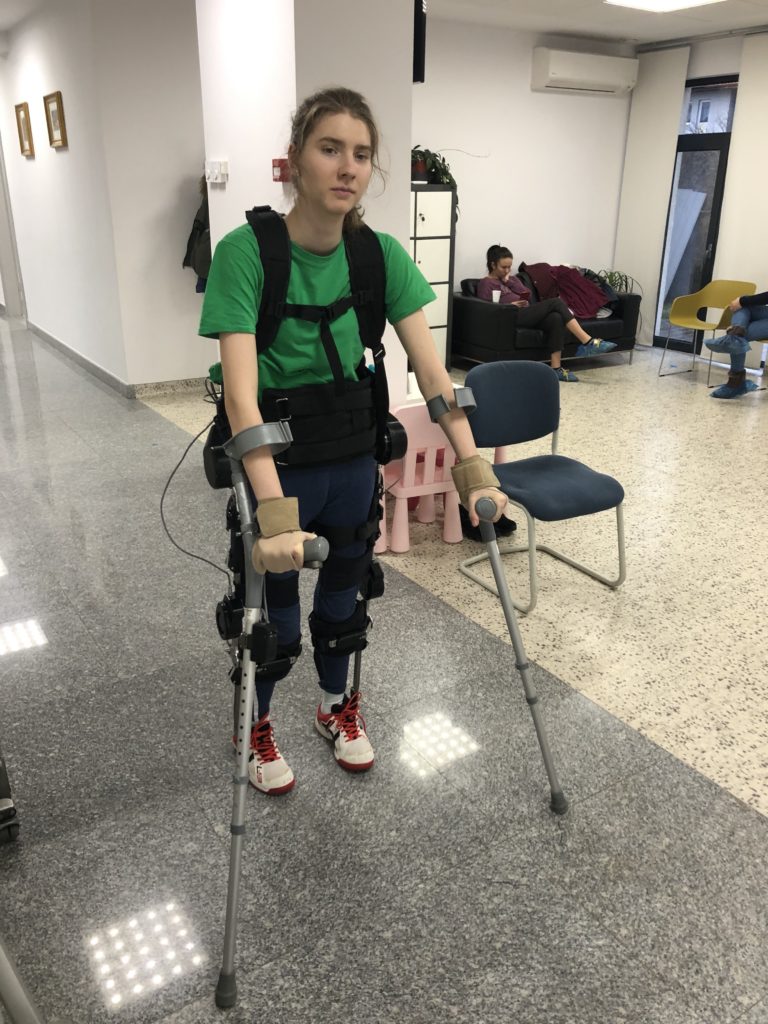
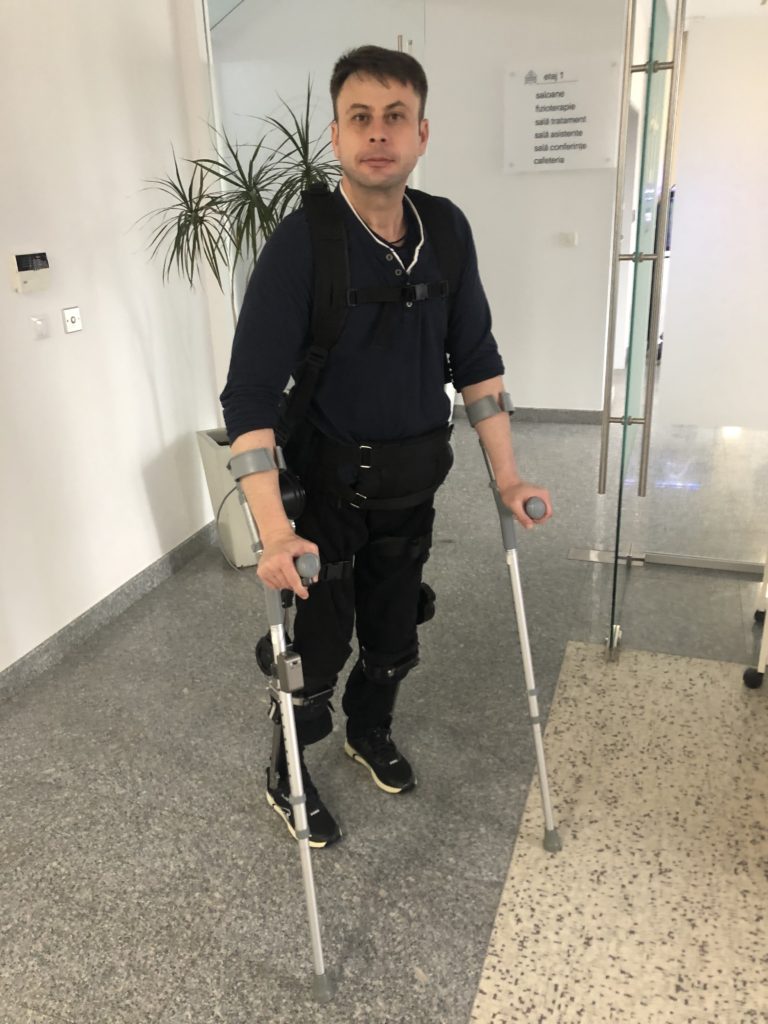
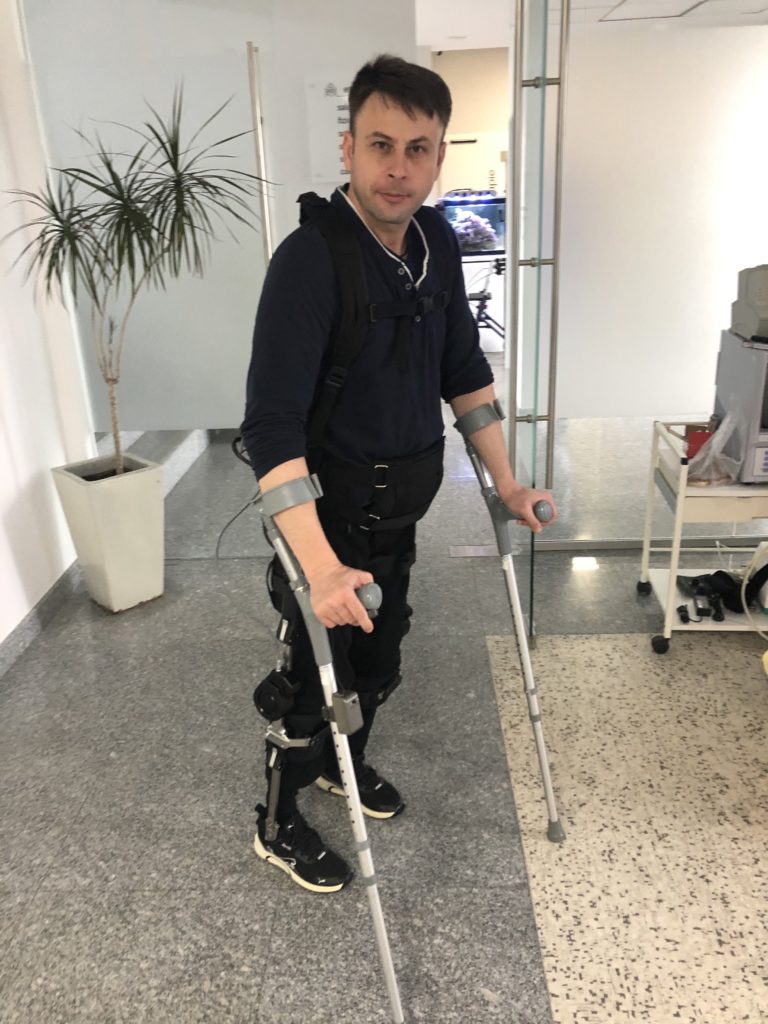
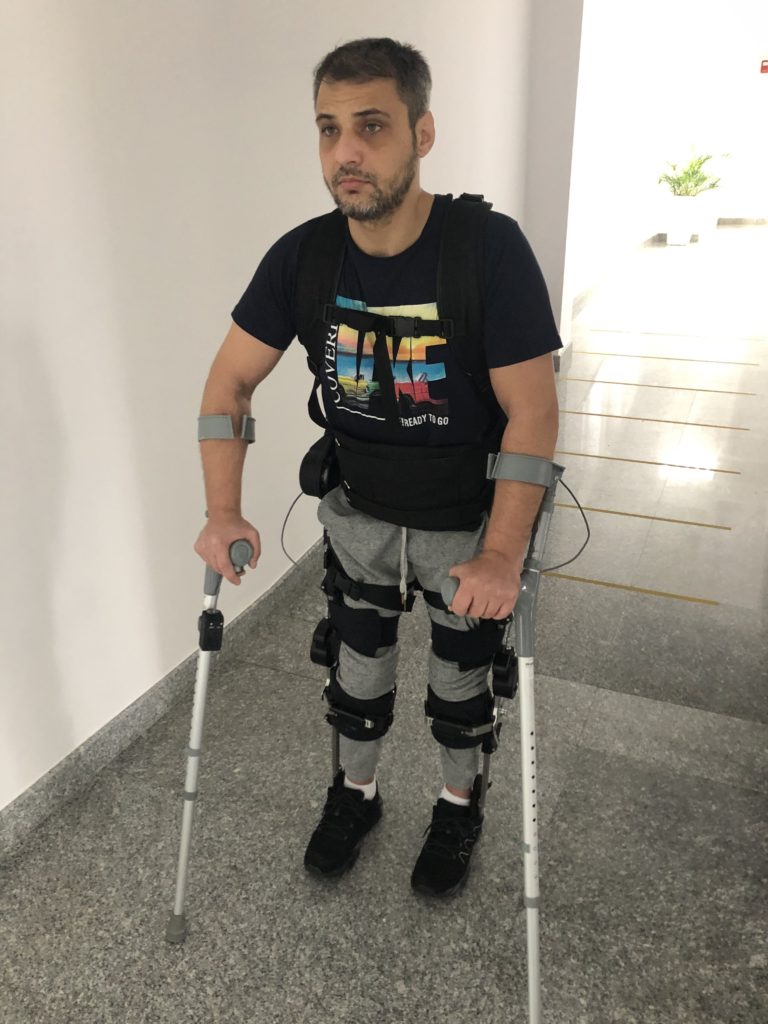
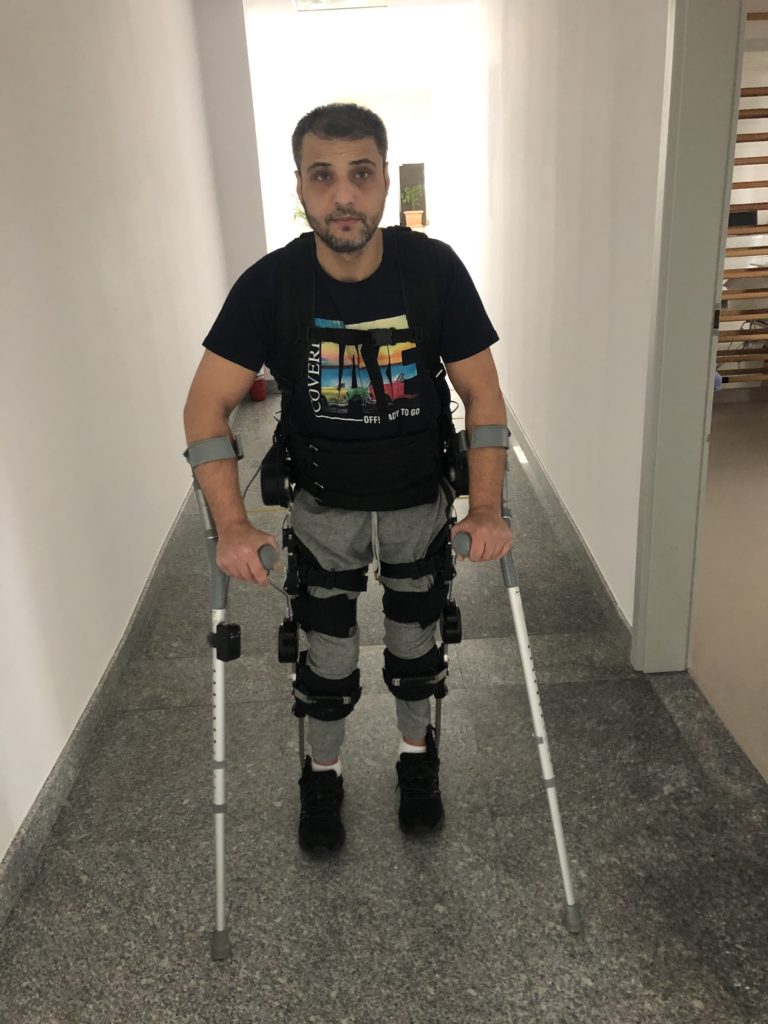
An exoskeleton is composed of lower limb orthoses that are actuated by servomotors positioned at the level of the hips and / or the knees.
These servomotors are commanded by a central computer which, with the help of data from numerous sensors, generates a sequence of steps that mimic natural walking.
Clinical trials have shown that lower-leg paralysis patients, with the onset of recovery therapy with medical exoskeleton, have reported a number of significant improvements such as:
- Reducing spasticity;
- Improving intestinal transit;
- Reduce the risk of urinary infections;
- Pain relief;
- Significant improvement in mental state;
- Improving muscle mass;
Reducing body fat;
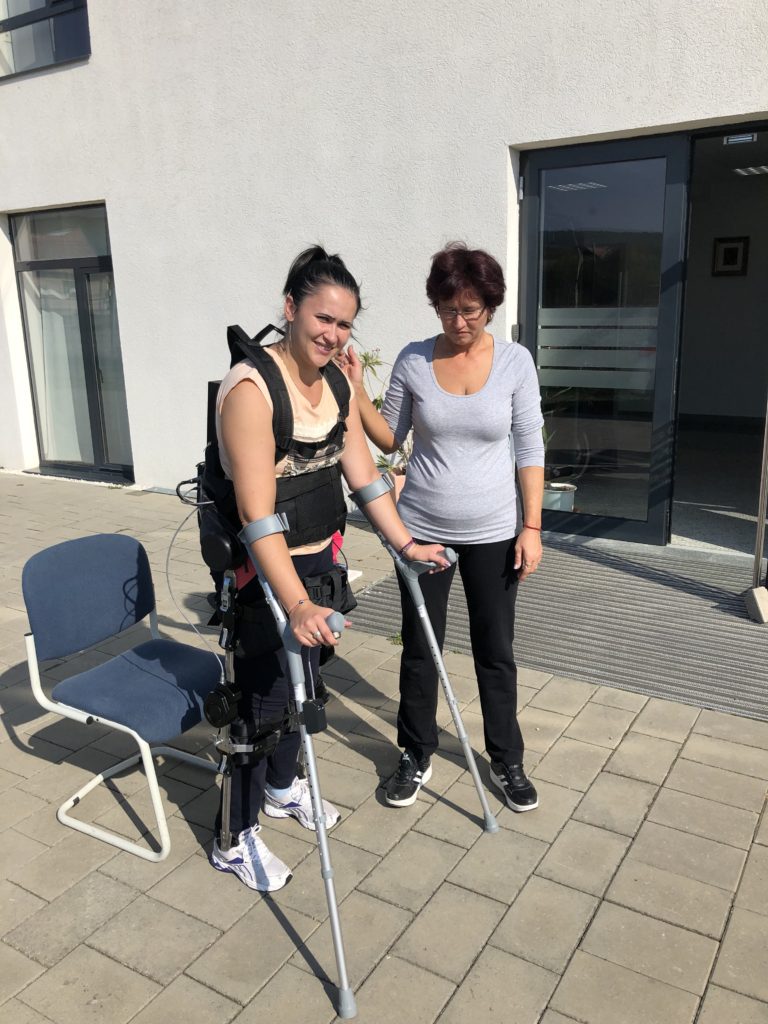
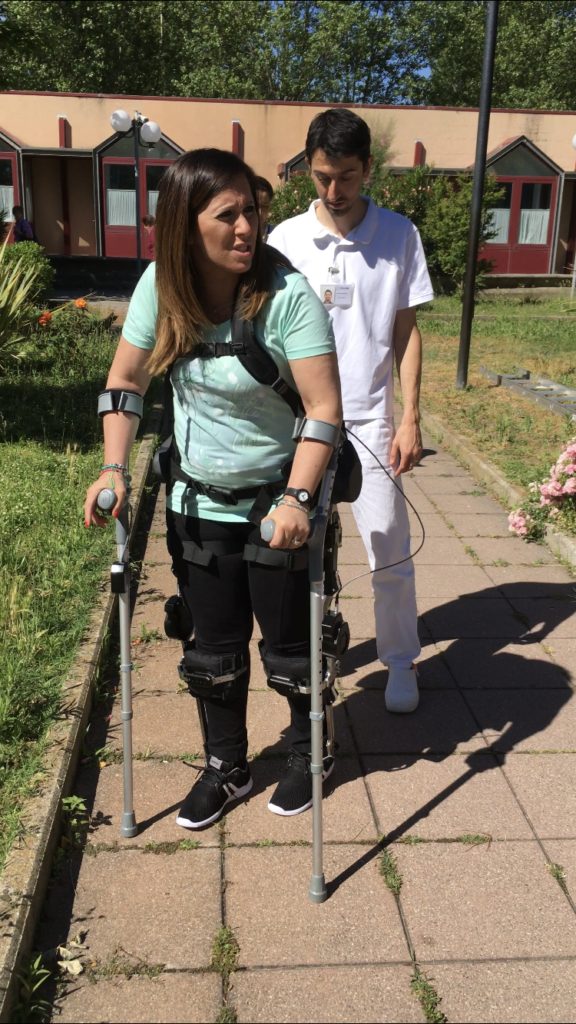
Patients using medical exoskeletons become more independent, able to stand up and sit down, walk alone and even climb or descend stairs.
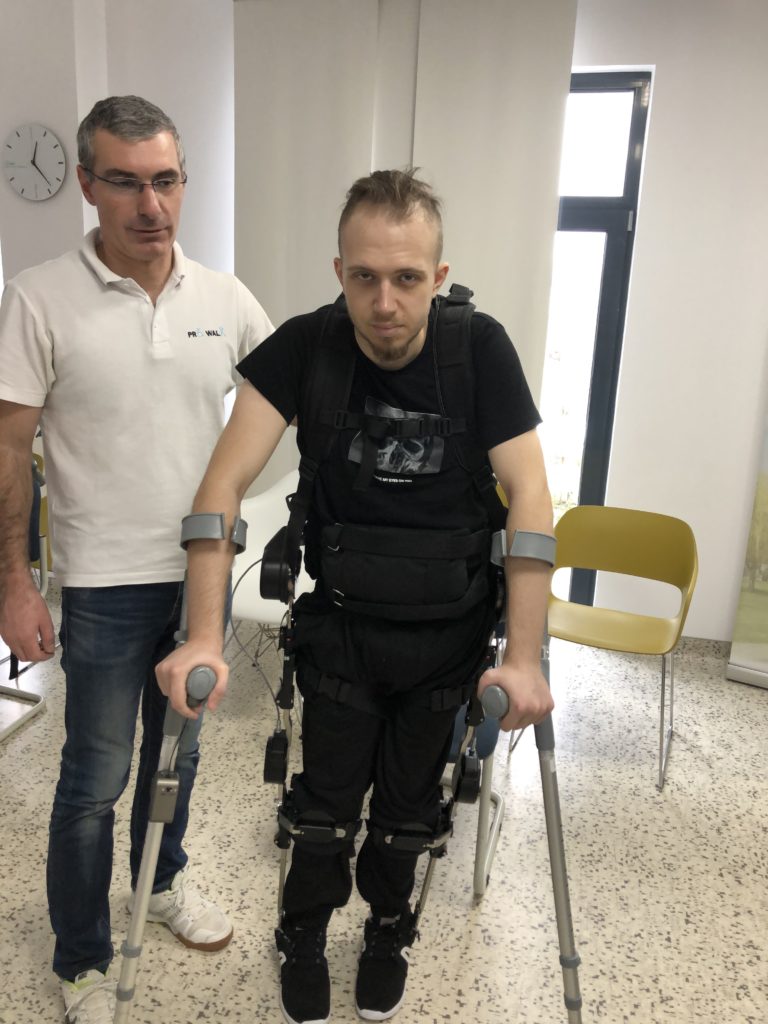
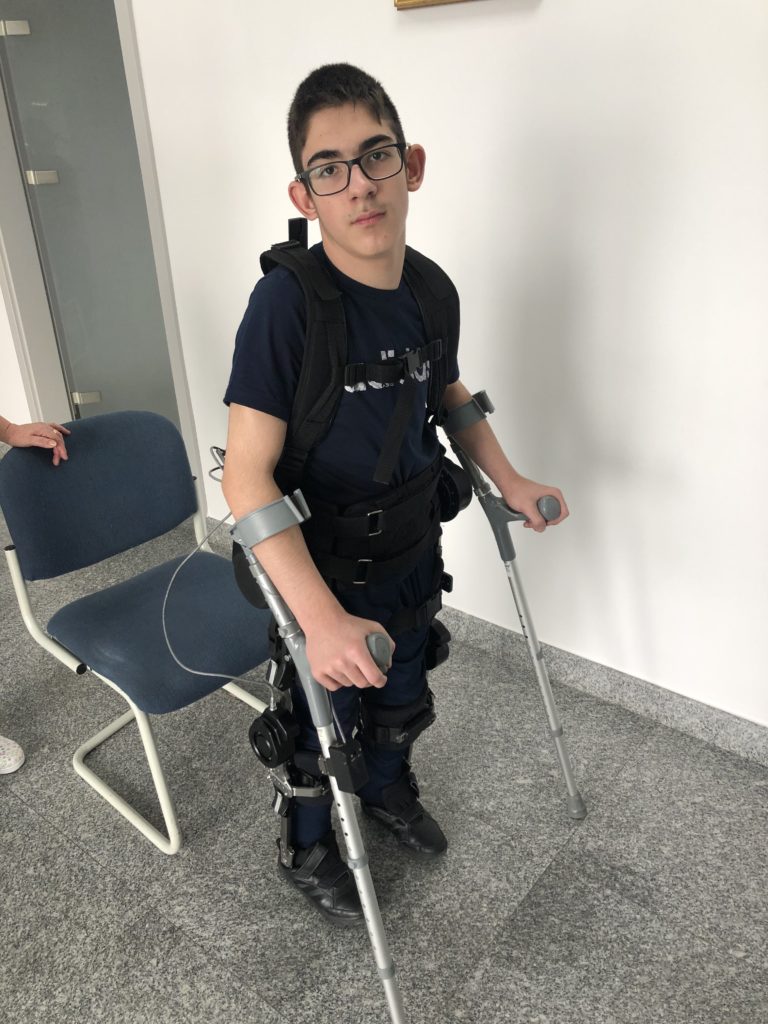
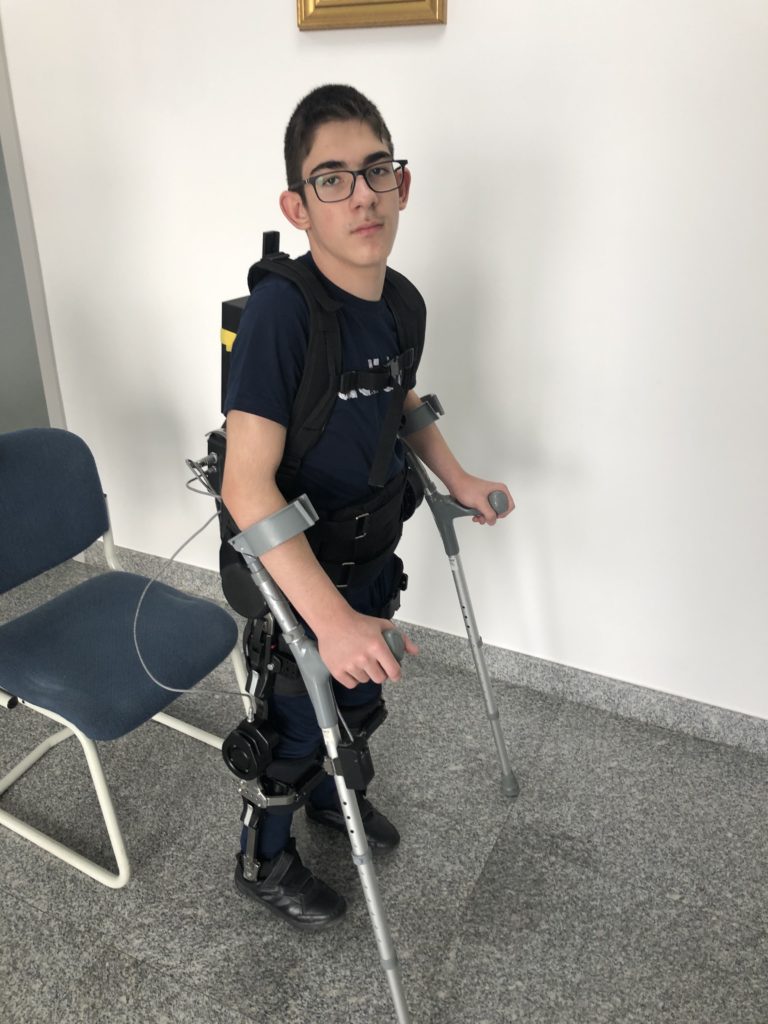
For more information visit the links below:
Robotic Exoskeletons Are Here, And They’re Changing Lives
Video
Do you want to test this system?
For more details and information visit our contact page and leave us a message.